

Is IPTV Legal? Everything You Need to Know in 2026
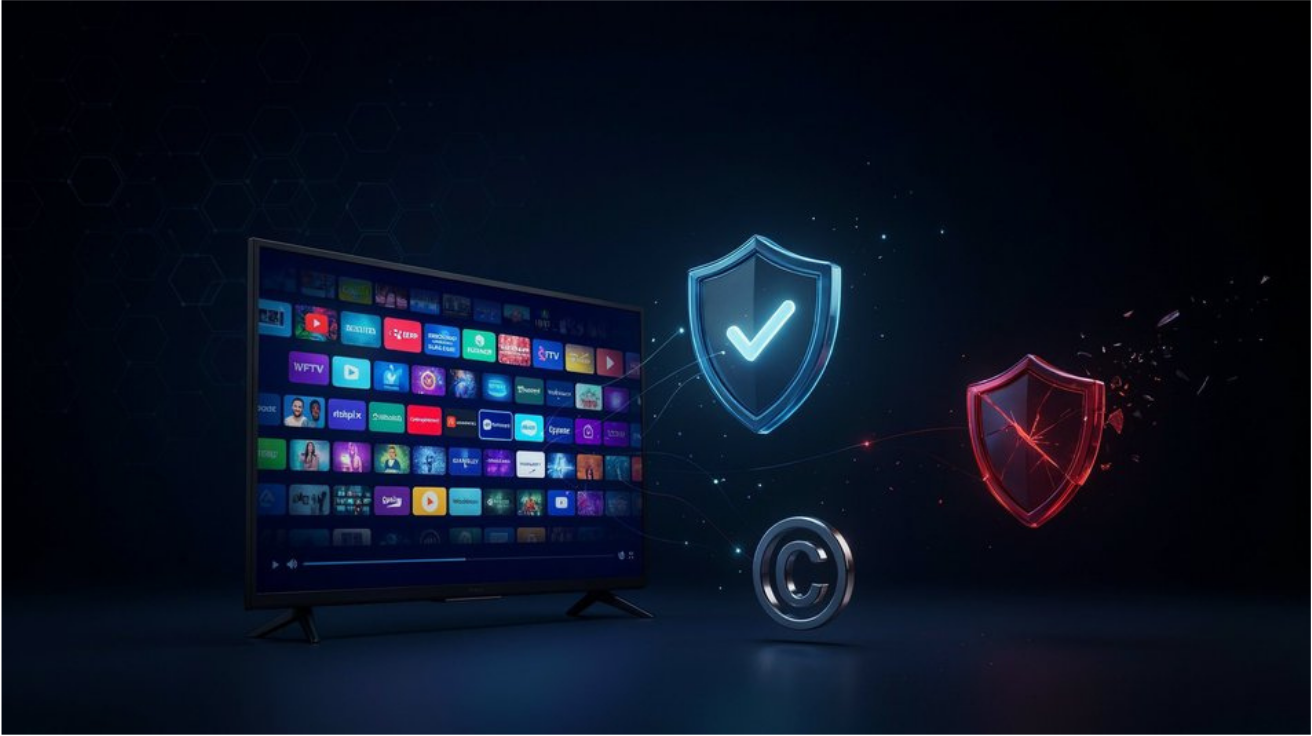
Introduction
Many people are asking the same question in 2026: Is IPTV legal? As IPTV services continue to grow in popularity, users want to know whether they can stream live TV, sports, movies, and entertainment channels without breaking any laws.
The answer is not as simple as a yes or no. IPTV itself is a legal technology, but the legality depends on how the service obtains and distributes content. Understanding the difference between legal and illegal IPTV providers can help you avoid potential risks and choose a reliable service.
In this guide, we will explain everything you need to know about IPTV legality, how IPTV works, and how to identify a trustworthy provider.
What Is IPTV?
IPTV stands for Internet Protocol Television. Instead of using traditional cable or satellite signals, IPTV delivers television content through an internet connection.
With IPTV, users can watch:
- Live TV channels
- Sports events
- Movies and TV series
- International channels
- Video-on-demand content
The technology itself is completely legitimate and is used by many major broadcasters and streaming companies worldwide.
Is IPTV Legal?
The simple answer is: Yes, IPTV is legal when the provider has proper licensing agreements for the content it distributes.
Many well-known streaming services use IPTV technology to deliver content legally. The legality depends on whether the service owns the broadcasting rights or has obtained permission from content creators and distributors.
An IPTV service becomes illegal when it streams copyrighted content without authorization from the rights holders.
Therefore, the question should not be “Is IPTV legal?” but rather “Is the IPTV provider operating legally?”
Why Some IPTV Services Are Legal
Legal IPTV providers pay licensing fees to broadcasters, television networks, movie studios, and sports organizations.
These providers have agreements that allow them to distribute content to subscribers legally.
Legal IPTV services typically offer:
- Official subscription plans
- Transparent company information
- Customer support
- Secure payment methods
- Clear terms of service
- Licensed content distribution
Because they follow copyright laws, users can enjoy streaming without worrying about legal issues.
Why Some IPTV Services Are Illegal
Illegal IPTV providers distribute copyrighted channels, movies, and sports content without obtaining the necessary rights.
These services often attract customers by offering:
- Thousands of premium channels
- Extremely low prices
- Lifetime subscriptions
- Free access to paid sports events
- Unlicensed movie libraries
Although these offers may seem attractive, unauthorized content distribution violates copyright laws in many countries.
Authorities around the world continue to shut down illegal IPTV networks and take action against operators who distribute copyrighted material without permission.
How to Tell If an IPTV Service Is Legal
If you are unsure whether a service is legitimate, look for these signs.
1. Official Website
A legal IPTV provider usually has a professional website that clearly explains its services, pricing, and company information.
2. Transparent Business Information
Legitimate providers openly display:
- Contact details
- Terms and conditions
- Privacy policy
- Customer support information
3. Licensed Content
Legal providers often mention partnerships, licensing agreements, or authorized distribution rights.
4. Reasonable Pricing
If a service offers thousands of premium channels for only a few dollars per month, this can be a warning sign.
5. Secure Payment Methods
Trusted IPTV providers use recognized payment systems and secure checkout processes.
Risks of Using Illegal IPTV Services
Many users choose unauthorized IPTV services because of the lower prices. However, there are several risks involved.
Service Shutdowns
Illegal IPTV services frequently disappear without warning. Customers may lose access to their subscriptions overnight.
Poor Streaming Quality
Unauthorized providers often suffer from:
- Buffering issues
- Server outages
- Unstable streams
- Missing channels
Security Risks
Some illegal IPTV platforms may expose users to:
- Malware
- Viruses
- Data theft
- Payment fraud
No Customer Support
Many unauthorized providers offer little or no customer support when problems occur.
IPTV Laws Around the World
The legal status of IPTV varies by country, but most nations share one important principle:
Streaming copyrighted content without permission is generally prohibited.
Countries including:
- United States
- United Kingdom
- Canada
- Germany
- France
- Italy
- Spain
have increased enforcement efforts against illegal IPTV operations in recent years.
Governments and copyright holders continue working together to combat unauthorized content distribution.
Can Users Get in Trouble for Using IPTV?
This is one of the most common questions people ask when researching IPTV.
In many jurisdictions, authorities primarily target IPTV operators and distributors rather than individual users. However, laws differ from one country to another.
Depending on local regulations, users who knowingly access illegal streaming services may face:
- Account suspensions
- Warning notices
- Fines
- Legal consequences
Because regulations vary, users should always verify the legality of any IPTV service before subscribing.
Benefits of Choosing a Legal IPTV Provider
Using a licensed IPTV service provides several advantages.
Reliable Streaming
Legal providers invest in high-quality infrastructure, resulting in:
- Better picture quality
- Stable connections
- Fewer interruptions
Customer Support
Subscribers can receive assistance when technical issues arise.
Regular Updates
Licensed services continuously improve their platforms and add new features.
Better Security
Legal IPTV providers typically follow industry security standards to protect customer information.
Long-Term Stability
Authorized services are less likely to disappear unexpectedly.
IPTV and Copyright Laws
Copyright laws protect movies, television programs, sports broadcasts, and other creative works.
When an IPTV provider distributes content without permission, it may violate these copyright protections.
Broadcasters spend significant amounts of money acquiring rights to sports leagues, films, and television programs. Unauthorized IPTV services bypass these agreements, which is why copyright enforcement remains a major focus worldwide.
Understanding copyright rules is essential when deciding whether an IPTV service is trustworthy.
Common Myths About IPTV Legality
Myth 1: IPTV Is Always Illegal
False. IPTV is simply a delivery technology. Many legal services use IPTV every day.
Myth 2: Cheap IPTV Means Legal IPTV
False. Extremely low prices can sometimes indicate unauthorized content distribution.
Myth 3: Free IPTV Is Always Safe
False. Free IPTV services may contain malware, intrusive advertisements, or unauthorized streams.
Myth 4: Nobody Enforces IPTV Laws
False. Authorities regularly investigate and shut down illegal IPTV operations around the world.
How to Choose a Safe IPTV Provider
Before subscribing, ask these questions:
- Does the provider explain where its content comes from?
- Is there a professional website?
- Are customer support options available?
- Does the service have clear policies?
- Are payment methods secure?
- Is the pricing realistic?
Taking a few minutes to research a provider can help avoid future problems.
The Future of IPTV
The IPTV industry continues to expand as more viewers move away from traditional cable television.
Advances in:
- Fiber internet
- Cloud technology
- Smart TVs
- Mobile streaming
- 4K and 8K content
are making IPTV more popular than ever.
At the same time, governments and copyright organizations are increasing efforts to ensure content is distributed legally.
As the industry grows, licensed IPTV providers are expected to play an even bigger role in the future of digital entertainment.
Conclusion
So, is IPTV legal? The answer is yes—IPTV technology itself is completely legal. What matters is whether the provider has the necessary rights and licenses to distribute the content being offered.
Legal IPTV services provide reliable streaming, stronger security, customer support, and compliance with copyright laws. Illegal IPTV providers may offer low prices, but they often come with significant risks, including service interruptions, security concerns, and potential legal issues.
Before subscribing to any IPTV service, always research the provider carefully and ensure that it operates within applicable copyright and broadcasting regulations. Choosing a legitimate IPTV provider is the safest way to enjoy online television in 2026 and beyond.
Frequently Asked Questions About IPTV Legality
Is IPTV Legal for Personal Use?
One of the most common questions is: Is IPTV Legal for personal use? The answer depends on the IPTV provider you choose. If the service has obtained the necessary licenses to distribute content, then using IPTV for personal entertainment is generally legal.
Is IPTV Legal on Firestick?
Many users wonder whether Is IPTV Legal when streaming through devices like Firestick. The device itself is completely legal. However, the legality depends on the content source and whether the IPTV provider has proper broadcasting rights.
Is IPTV Legal in Europe?
The question Is IPTV Legal in Europe is often discussed because regulations differ between countries. Across Europe, IPTV technology is legal, but providers must comply with copyright and licensing laws. Unauthorized distribution of copyrighted content remains illegal.
Is IPTV Legal in the United States?
In the United States, the answer to Is IPTV Legal is similar. Licensed IPTV services are legal, while providers that stream copyrighted content without permission may violate federal copyright laws.
How Can I Verify If an IPTV Service Is Legal?
If you’re asking yourself “Is IPTV Legal?”, check whether the provider offers transparent company information, secure payment methods, customer support, and details about licensing agreements. These indicators can help determine if a service operates legally.
Final Thoughts on IPTV Legality
As IPTV continues to grow, more consumers are searching online for answers to the question Is IPTV Legal. Understanding the difference between licensed and unlicensed providers is essential. When choosing a streaming service, always prioritize legality, security, and reliability to enjoy IPTV without unnecessary risks.
Related Articles
Filed under: IPTV Legal & Safety